
How Photographers Can Prepare Clients for Military Portraits
A uniform can look ready on a hanger and still need attention once someone steps under the lights. But the first preparation question comes earlier: what is this portrait actually for? I'm Austen Hunter, owner of Austen Hunter Photography and the 2024 Navy Civilian Photographer of the Year. I photograph for the U.S. Navy as well as my own business. Here's how I'd help a client arrive prepared without burying them in instructions.
Key Takeaways
|

Start With the Purpose, Not the Pose
A retirement portrait for the family and a photograph requested by an organization can require different framing, backgrounds and editing. Don't assume every uniformed portrait is an official photograph, or that one branch's requirements apply to another.
Ask the client to send the current written requirements for their intended use. Confirm them before promising a compliant result. If the request is unclear, have the client check with the receiving office. A commercial session shouldn't be presented as an official military service simply because the subject wears a uniform.
Ask Before Booking | What the Answer Changes |
|---|---|
Who will use the photograph, and for what purpose? | Creative freedom versus a defined specification |
Are there written photo requirements? | Background, framing, file specifications and editing limits |
Which uniform or outfit will you bring? | Preparation instructions and changing time |
When must the finished image arrive? | Session date, selection process and delivery window |
May I share the portrait publicly? | Portfolio and social-media permissions |
For more questions about intended use, adapt my headshot client questionnaire. It gives you a starting point without treating every client as the same assignment.
Send a Short Preparation Note
Keep the note practical. Ask the client to check the uniform's fit and condition in advance, bring it protected, and allow time to dress and make final adjustments. Suggest a lint roller and whatever approved items they need for their own preparation. Confirm whether there's a changing area and where they should arrive.
Let the service member verify uniform details against current guidance. For Navy clients, link to the official Navy Uniform Regulations. Avoid turning your email into a homemade regulation sheet that may become outdated.
You can flag a twisted collar or lint on a shoulder. You shouldn't invent rules about insignia placement, grooming, or awards. Build in a final check with the client before you start photographing.

Plan the Session Around the Brief

For a personal portrait, discuss the mood and intended display. A full-length image needs different space and lighting from a tight headshot. My portrait photography guide covers the craft, while my background guide helps with choices when the brief leaves room for them.
In this portrait from my work, the dark background and light along the subject’s hair and shoulder keep attention on her face, while the flag adds context. Discuss the look with your client before the session.
For a specified official use, follow the current requirements instead of substituting your preferred look. If you're working on an installation, confirm access and photography permissions beforehand. Don't assume a private booking provides access.
“Good preparation gives the person in front of your camera room to be present. Settle the requirements early so the session can be about them.” — Austen Hunter
Agree on Editing and Sharing
Explain your retouching approach before booking. Don't promise to add or alter awards, rank, or other uniform details to make the photograph look right. Correct the physical setup before exposure, and follow any editing restrictions that apply to the intended use.
Ask separately about portfolio use rather than assuming delivery gives you permission to post. Agree on image selection and the delivery deadline in writing; my photography contract guide explains the wider booking framework.
Frequently Asked Questions
Is Every Military Portrait an Official Photograph?
No. Personal keepsakes and commissioned portraits are different from photographs made to a receiving organization's specifications. Ask about the intended use before planning the session.
Should the Photographer Check the Uniform?
Make a visual check together for issues such as lint and a folded collar. The service member should verify uniform accuracy against the applicable current guidance.
Can I Use Dramatic Lighting?
For a personal portrait, discuss the look with your client. If a specific official use has lighting or background requirements, follow those requirements.
Give the Session a Clear Starting Point
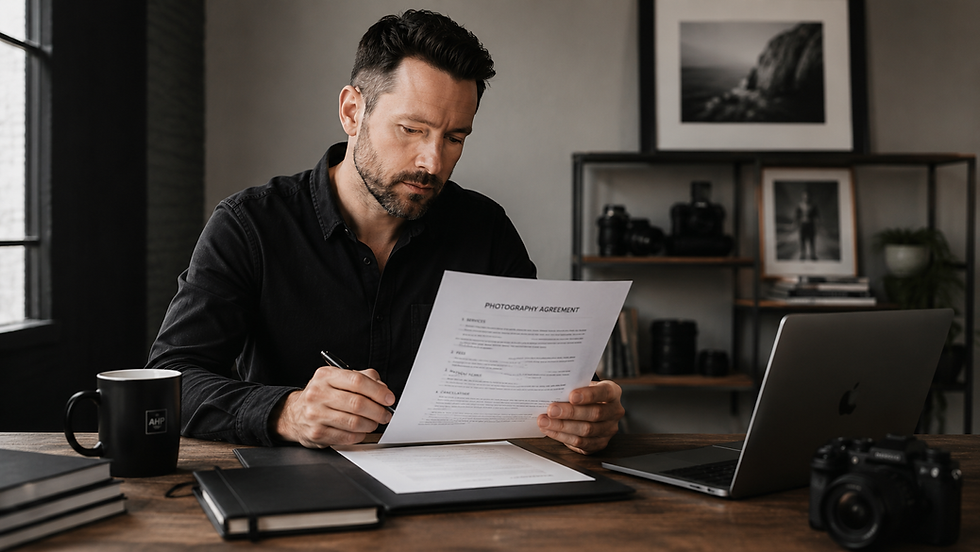
My Military Portrait Photography Session Contract Template is a starting point for documenting the booking. Review the actual template's terms, adapt them to your service and have a qualified lawyer review the agreement before use. It doesn't replace a receiving organization's photo requirements.


Comments