
How to Write a Photography Proposal: What to Include, With an Example
‘We need some photos. What do you charge?’ is a starting point, not enough information to price a job. I'm Austen Hunter of Austen Hunter Photography, and I photograph corporate headshots as well as portraits. A useful proposal turns that loose request into a job both sides understand. You don't need a long sales pitch. You need a clear explanation of what you're offering and what the client needs to decide.
Key Takeaways
|

Ask Enough Questions to Understand the Job
Before writing, I want to know who needs photographing, where the session will happen, and where the finished images will appear. A staff directory refresh and a campaign featuring three executives might both be called headshots, but they call for different planning.
Ask for the decision-maker, desired date, delivery deadline, approximate participant count, and any existing brand examples. Confirm whether the client needs website files, print use, paid advertising, or another use. My headshot client questionnaire can help structure that conversation.
Build the Proposal Around Clear Decisions
Section | What to State |
|---|---|
Purpose | The client's goal and the photographs you propose making. |
Scope | People, locations, session coverage, and who coordinates access and attendance. |
Deliverables | Image quantity, who selects them, editing included, file formats, and delivery method. |
Usage | The proposed permission to use the images and any limits or third-party needs. |
Timeline | Shoot date, selection stage, delivery target, and what starts the turnaround clock. |
Price and expenses | What the quote includes, relevant expenses, and how additions are approved. |
Next step | How to accept, any booking requirements, and when the proposal expires. |
ASMP's guide to commissioning photography separates the assignment description, licensing, fees, and expenses. Although its examples concern architecture, that distinction is useful when describing other commercial assignments. The reader should be able to tell what they're buying.

A Simple Corporate Headshot Proposal Example
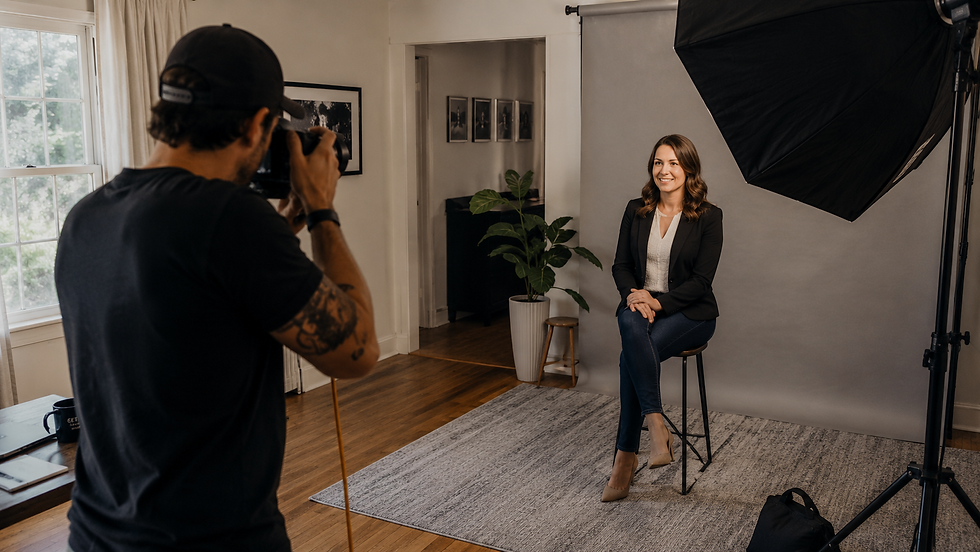
Here's a hypothetical example, not a quote from one of my client jobs: a company needs consistent headshots for 20 employees at its office. Rather than writing ‘20 headshots included,’ make the intended delivery explicit.
Proposed scope: one coordinated office session for up to 20 employees, using one agreed background and lighting style. One selected, retouched photograph per participant. The coordinator supplies the attendee list and arranges appointment times. Final files are delivered through an online gallery in the agreed web and high-resolution formats.
Before sending, add the actual date, selection method, agreed turnaround, usage terms, total fee, and booking requirements. State how extra participants, additional selected images, extensive retouching, or a second location would be priced and approved. Don't copy a fixed delivery promise unless you can meet it.
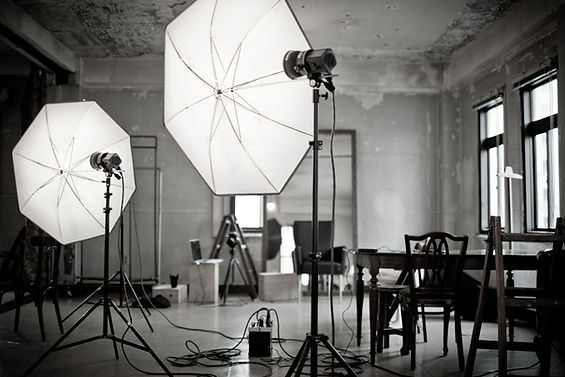
For an onsite setup, around 8 by 10 feet can be a starting point for discussion, not a guarantee that every room works. Review the space, ceiling clearance, background, power needs, and foot traffic. Session time per person depends on the job; avoid selling a universal minutes-per-person promise.
A clear proposal gives the client something useful to say yes to: a defined result, a workable plan, and a price they can understand. — Austen Hunter
Keep Price and Scope Connected
If the budget changes, discuss which part of the scope can change with it. Fewer deliverables or a simpler setup may be workable; silently removing editing or usage expectations is not. My photography pricing article explains why I don't treat the lowest price as the goal.
Use my photo delivery expectations guide to make the handoff specific. A deadline should account for any client selections or approvals you need first.
End With One Clear Next Step
Tell the client how to approve the proposal and what reserves the session under your booking process. If you use a separate contract, ensure its terms agree with the proposal. A proposal can have contractual significance depending on its wording and acceptance; don't assume its title makes it nonbinding.
Read my photography contract checklist before finalizing the paperwork. You can place this step within the larger workflow in my photography business guide.
Frequently Asked Questions
How Long Should a Photography Proposal Be?
Long enough to define the work and decision, and short enough to read. A straightforward session may need only a few pages; a complex production needs more detail.
Should I Include a Price?
Include a price based on the defined scope, with assumptions and exclusions stated. If key details are missing, ask for them or clearly identify a preliminary estimate rather than implying a final quote.
Is a Proposal the Same as a Contract?
The documents can serve different purposes, but a proposal may become binding depending on its terms and acceptance. Keep the paperwork consistent and get legal advice about your process.
Can I Reuse a Proposal Template?
Yes, as a structure. Replace the scope, dates, deliverables, usage, and price for each job. Check for leftover names and promises before sending.
Build the Paperwork Behind Your Proposal
Once the scope is clear, review my photography contract resources for the next step in your booking process. Check the included files before buying; a session contract and a proposal serve different purposes.




Comments